
IEEE-488 GPIB - Adapters, Extenders, Bulkhead & Reverse Entry
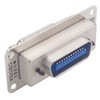
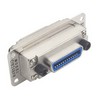
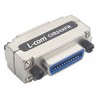
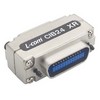
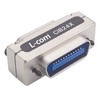
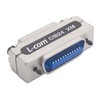
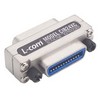
IEEE-488 GPIB adapters and extenders support signal continuity and mechanical flexibility in test, measurement, and instrument control environments including bulkhead adapters, slimline extenders, ultra-slim extenders, modified extenders, and reverse-entry adapters supporting space-constrained, rack-mounted, or panel-mounted installations. Available in male-to-female and female-to-female configurations with standard 24-pin interfaces featuring cast aluminum bodies with nickel-plated finishes and gold-plated contacts supporting repeated mating cycles. Reverse-entry designs reduce cable strain improving routing when extending GPIB cables or passing connections through panels.
For comprehensive IEEE-488 GPIB connectivity solutions beyond adapters and extenders, explore our IEEE-488 GPIB Cables Adapters & Connectors category, featuring cable assemblies, connectors, GPIB PCI cards, and adapter configurations designed for test, measurement, and instrument control applications.
Related Categories:
FAQs
What are IEEE-488 GPIB adapters and extenders used for?
L-com IEEE-488 GPIB adapters and extenders are designed to support signal continuity and mechanical flexibility in test, measurement, and instrument control environments. These adapters are commonly used in data acquisition systems, instrument control setups, and test and measurement applications. Typical uses include extending GPIB ports, protecting instrument connectors from mechanical wear, routing cables through panels, and resolving clearance issues near adjacent connectors.
What adapter configurations are available for IEEE-488 GPIB adapters and extenders?
IEEE-488 GPIB adapters and extenders includes bulkhead adapters, slimline extenders, ultra-slim extenders, modified extenders, and reverse-entry adapters to support IEEE-488 GPIB connections in space-constrained, rack-mounted, or panel-mounted installations. These adapters are available in male-to-female and female-to-female configurations with standard 24-pin interfaces. Various form factors accommodate data acquisition systems, instrument control setups, and test and measurement environments with different port spacing requirements.
How do reverse-entry GPIB adapters improve cable routing?
GPIB adapters reverse-entry designs allow cables to exit in opposite directions, helping reduce cable strain and improve routing when extending GPIB cables or passing connections through panels and equipment enclosures. Reverse-entry configurations support space-constrained installations where standard cable exit angles would cause bending or strain. This design supports rack-mounted or panel-mounted test and measurement applications requiring organized cable management.
What construction materials do IEEE-488 GPIB adapters use?
IEEE-488 GPIB adapters and extenders are constructed with cast aluminum bodies and nickel-plated finishes to support durability in environments with frequent mating and unmating cycles. Gold-plated contacts support reliable electrical connections over repeated insertions, while jackscrew retention methods help secure cables during operation. The construction materials support data acquisition systems and instrument control setups experiencing repeated connection changes.
What special features do slimline GPIB extenders provide?
Slimline GPIB extenders form factors support compatibility with equipment that has limited port spacing. Select models with insulated mounting flanges address grounding or isolation requirements in test and measurement applications. Slimline designs resolve clearance issues near adjacent connectors or ports in space-constrained, rack-mounted, or panel-mounted installations where standard extender profiles would interfere with neighboring equipment.
What applications use IEEE-488 GPIB adapters and extenders?
IEEE-488 GPIB adapters and extenders are commonly used in data acquisition systems, instrument control setups, and test and measurement applications. Typical uses include extending GPIB ports, protecting instrument connectors from mechanical wear, routing cables through panels, and resolving clearance issues near adjacent connectors or ports. Applications support space-constrained, rack-mounted, and panel-mounted installations requiring signal continuity and mechanical flexibility.
Need assistance selecting the right IEEE-488 GPIB adapter or extender for your test and measurement or data acquisition system? Our engineering team provides expert technical guidance on adapter configurations, reverse-entry designs, slimline form factors, and grounding requirements for your specific instrument control or test and measurement application requirements.
Contact Sales: Sales@L-com.com
Product Technical Support: techsupportrf@infiniteelectronics.com
L-com offers a wide selection of IEEE-488 GPIB adapters and extenders. Standard and application-specific configurations are supported to meet a range of test and measurement connectivity requirements