
1.9 GHz Antennas - HyperLink Yagi, Omni, Patch, Rubber Duck & Broadband/DAS
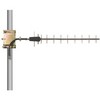
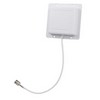
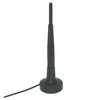
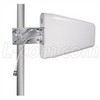
1.9 GHz antennas include several types for cellular and wireless system coverage supporting rubber duck, panel, omnidirectional, Yagi, and log periodic designs for 1.9 GHz band applications. Available in omnidirectional antennas for broad area coverage and directional antennas for focused signal paths with nominal gain values ranging from 3 dBi to 12 dBi and 50-ohm impedance. Featuring 3 dBi rubber duck with SMA/RP-SMA connectors, 8-12 dBi patch panels with N-Female, 11 dBi omnidirectional mast-mount, 12 dBi stainless steel Yagi, and 10 dBi log periodic supporting multiple frequency bands.
For comprehensive RF wireless and Wi-Fi antenna solutions beyond 1.9 GHz configurations, explore our RF Wireless & Wi-Fi Antennas category, featuring complete antenna selections across frequency bands from 380 MHz to 6 GHz designed for WLAN, DAS, cellular, GPS, and specialized RF applications in commercial, industrial, and outdoor wireless deployments.
Related Categories:
FAQs
What applications are 1.9 GHz antennas designed for in wireless networks?
1.9 GHz antennas are used in PCS cellular radio applications, LTE deployments, mobile applications, multipoint links, DAS installations, public safety systems, WiFi applications, and LPWAN or IoT-related networks depending on model type. These antennas support diverse wireless deployment scenarios from fixed base stations to mobile platforms requiring reliable 1.9 GHz band coverage. Application flexibility across cellular, public safety, and wireless infrastructure enables integration into various communication systems.
What antenna types are available in 1.9 GHz antennas offerings?
1.9 GHz antennas include several types for cellular and wireless system coverage including rubber duck, panel, omnidirectional, Yagi, and log periodic designs. Rubber duck antennas provide 3 dBi gain with portable mobility while Yagi and panel designs offer higher gains up to 12 dBi for extended range deployments. Multiple antenna types support selection of optimal design for specific cellular, DAS, public safety, or WiFi installation requirements.
What gain and impedance specifications do 1.9 GHz antennas provide?
1.9 GHz antennas feature nominal gain values ranging from 3 dBi to 12 dBi with 50-ohm impedance across all models supporting cellular and wireless applications. The 3 dBi rubber duck provides portable coverage while 8 dBi patch panels and 12 dBi Yagi antennas support extended range in fixed installations. Consistent 50-ohm impedance ensures compatibility with standard wireless equipment in PCS, LTE, and DAS systems.
What frequency range do 1.9 GHz antennas cover?
1.9 GHz antennas support frequency coverage with single-band models generally spanning 1850–1990 MHz or 1880–1990 MHz supporting PCS cellular and LTE deployments. The Yagi model starts at 1710 MHz while the log periodic model covers multiple bands from 698–960 MHz and 1710–2700 MHz supporting broadband DAS applications. Frequency flexibility enables deployment across various cellular allocations and multi-band wireless systems.
What connector and mounting options do 1.9 GHz antennas support?
1.9 GHz antennas feature connector interfaces including SMA male, RP-SMA plug, and N-Female connectors supporting various wireless equipment connections. Mounting options include magnetic bases for mobile installations, screw/tapped holes for fixed mounts, and mast mount configurations for outdoor deployments. Multiple connector and mounting options enable flexible integration into cellular base stations, mobile units, and public safety systems.
What VSWR and power ratings characterize 1.9 GHz antennas?
1.9 GHz antennas feature maximum VSWR values from 1.5 to 2.0 supporting efficient signal transmission in cellular and wireless applications. Maximum input power ranges from 25 watts to 200 watts depending on antenna model accommodating various transmitter power requirements. Power and VSWR specifications enable reliable operation in PCS cellular, LTE, and DAS infrastructure requiring consistent RF performance.
What polarization options are available in 1.9 GHz antennas?
1.9 GHz antennas offer polarization options of vertical on some antennas while selected panel and log periodic models provide vertical or horizontal polarization flexibility. Polarization selection enables proper signal orientation for specific cellular, public safety, and WiFi deployment scenarios. Multiple polarization options support optimization for receiver and transmitter alignment in diverse wireless installations.
What construction materials and finishes characterize 1.9 GHz antennas?
1.9 GHz antennas feature antenna construction varying by model including ABS, polymer, and fiberglass radomes in black, white, or gray finishes. Compact sizes support portable and low-visibility installations for mobile applications while longer outdoor antennas accommodate fixed DAS, cellular base station, and public safety deployments. Material selection ensures durability in cellular, LTE, and wireless infrastructure applications.
Need assistance selecting the right 1.9 GHz antennas for your PCS cellular, LTE, DAS, public safety, or wireless infrastructure deployment? Our engineering team provides expert technical guidance on antenna type selection (rubber duck vs Yagi vs panel), gain requirements, frequency coverage, connector specifications, mounting options, and polarization considerations for your specific cellular communication, mobile LAN, DAS installation, or public safety application requirements.
Contact Sales:Sales@L-com.com
Product Technical Support:techsupportrf@infiniteelectronics.com
L-com maintains a wide selection of antennas for domestic and international orders. As a global provider of wired and wireless connectivity solutions, L-com serves many major industries providing high-quality products, technical information, and online support.