
3.5 GHz Antennas - Omni, Patch, Panel, Rubber Duck, Parabolic Grid & Log Periodic
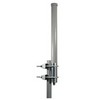
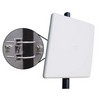
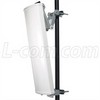
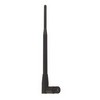
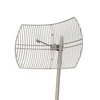
3.5 GHz antennas are available in omni directional, patch, panel, rubber duck, parabolic grid, and log periodic form factors well suited for IEEE 802.16e, WiMAX, Mobile WiMAX, and SOFDMA applications. Including ultra-wideband log periodic antenna operating from 2.3 GHz to 6.5 GHz with 8 dBi gain and 60° beamwidth for Distributed Antenna Systems (DAS) and multiband wireless applications, these antennas feature 5-27 dBi gain options with 360° horizontal coverage in omni designs. Constructed with UV-stable fiberglass, PVC, and ASA radomes with 50-ohm impedance, N-Female or RP-SMA connectors operating -40°C.
For comprehensive RF wireless and Wi-Fi antenna solutions beyond 3.5 GHz configurations, explore our RF Wireless & Wi-Fi Antennas category, featuring complete antenna selections across frequency bands from 380 MHz to 6 GHz designed for WLAN, DAS, cellular, GPS, and specialized RF applications in commercial, industrial, and outdoor wireless deployments.
Related Categories:
FAQs
What are 3.5 GHz antennas used for in wireless systems?
3.5 GHz antennas are well suited for IEEE 802.16e, WiMAX, Mobile WiMAX, and SOFDMA applications supporting wireless networking and broadband deployments. These antennas accommodate Distributed Antenna Systems (DAS) and multiband wireless applications requiring coverage in 3.3 GHz to 3.8 GHz frequency range. Applications include point-to-multipoint networks, backhaul systems, wireless LAN infrastructure, and multipoint communication systems requiring reliable 3.5 GHz band operation.
What antenna types are available for 3.5 GHz applications?
3.5 GHz antennas are available in omni directional, patch, panel, rubber duck, parabolic grid, and log periodic form factors supporting diverse deployment requirements. Omni directional antennas provide 360° horizontal coverage while parabolic grid antennas offer directional high-gain performance for point-to-point links. Panel antennas support point-to-multipoint applications while rubber duck antennas accommodate portable and mobile WiMAX installations requiring compact form factors.
What gain options do 3.5 GHz antennas provide?
3.5 GHz antennas include 5 dBi rubber duck antennas, 9 dBi professional omnidirectional antennas, 11.6 dBi omni antennas, 16 dBi dual-polarized MIMO panel antennas, and 27 dBi parabolic grid antennas supporting various coverage requirements. Low-gain rubber duck and omni antennas provide wide-area coverage for Mobile WiMAX while high-gain parabolic grid antennas support long-distance point-to-point backhaul. Multiple gain levels enable flexible deployment in IEEE 802.16e and wireless LAN systems.
What log periodic antenna capabilities support wideband applications?
3.5 GHz antennas include ultra-wideband log periodic antenna operating from 2.3 GHz to 6.5 GHz with 8 dBi gain and 60° beamwidth suitable for Distributed Antenna Systems (DAS) and multiband wireless applications. The wideband frequency range accommodates multiple wireless services including WiMAX, Mobile WiMAX, and other 3.5 GHz band systems. Log periodic design provides consistent performance across wide frequency spectrum supporting DAS installations requiring multi-frequency coverage.
What MIMO capabilities do 3.5 GHz panel antennas support?
3.5 GHz antennas include 16 dBi dual-polarized MIMO panel antennas with vertical and horizontal polarization designed for point-to-multipoint applications with dual radio interoperability and interference reduction. Dual polarization supports MIMO (Multiple Input Multiple Output) technology enhancing throughput and reliability in WiMAX and IEEE 802.16e deployments. MIMO capability enables spatial diversity and increased data rates in Mobile WiMAX systems requiring enhanced wireless performance.
What construction materials ensure 3.5 GHz antenna durability?
3.5 GHz antennas are constructed with UV-stable fiberglass, PVC, and ASA radomes for all-weather operation supporting outdoor WiMAX and wireless LAN installations. UV-stable materials prevent degradation from sun exposure while weather-resistant construction ensures reliable performance in harsh environments. Heavy-duty mounting systems including mast mounts, stainless steel clamps, brackets, and U-bolts provide secure installation in IEEE 802.16e and DAS deployments.
What connector and impedance specifications do 3.5 GHz antennas support?
3.5 GHz antennas feature 50-ohm impedance, VSWR up to 2.0, maximum input power up to 100 watts, N-Female or RP-SMA connectors supporting IEEE 802.16e and WiMAX equipment. The 50-ohm impedance matches standard wireless infrastructure while N-Female connectors accommodate professional installations. RP-SMA connectors support Mobile WiMAX and portable applications with operating temperature ranges down to -40°C ensuring reliable performance across 3.3 GHz to 3.8 GHz frequencies.
Need assistance selecting the right 3.5 GHz antenna for your WiMAX, IEEE 802.16e, Mobile WiMAX, or DAS installation? Our engineering team provides expert technical guidance on antenna type selection, gain requirements, MIMO specifications, and mounting configurations for your specific point-to-point, point-to-multipoint, backhaul, or wireless LAN application requirements.
Contact Sales: Sales@L-com.com
Product Technical Support: techsupportrf@infiniteelectronics.com
L-com offers a wide selection of 3.5 GHz HyperLink antennas designed to meet the needs of professional wireless networking installations. Our extensive product line includes omni directional, patch, panel, rubber duck, parabolic grid, and log periodic antennas to support diverse deployment requirements.