
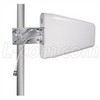
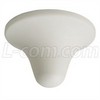
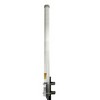
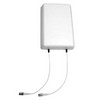

Distributed Antenna System (DAS) Antenna Product Center
DAS antennas extend and manage wireless coverage within large or complex indoor and outdoor environments through distributed antenna system deployments in commercial buildings, campuses, transportation hubs, and public spaces where consistent signal distribution is essential. Supporting cellular, public safety, and data communication networks across specific frequency bands, these antennas deliver controlled coverage in areas difficult to serve with single access points or base stations. Integrated with coaxial or fiber-fed DAS infrastructure for multi-operator and multi-band configurations.
FAQs
What are DAS antennas used for in wireless networks?
DAS antennas are used in distributed antenna system deployments to help extend and manage wireless coverage within large or complex indoor and outdoor environments. These antennas are commonly installed in venues such as commercial buildings, campuses, transportation hubs, and public spaces where consistent signal distribution is required. By supporting multiple wireless services, DAS antennas help deliver controlled coverage across areas that are difficult to serve with a single access point or base station.
What frequency bands do DAS antennas support?
Designed to operate across specific frequency bands depending on the deployment, DAS antennas support cellular, public safety, and data communication networks. Their radiation patterns and gain characteristics are selected to balance coverage, capacity, and interference control within a distributed network. DAS antennas are often integrated with coaxial or fiber-fed DAS infrastructure to support multi-operator and multi-band configurations across the 380-6000 MHz frequency range.
How are DAS antennas installed in buildings and venues?
DAS antennas are mounted on ceilings, walls, or structural elements to align with coverage planning requirements. Installation options vary by antenna type and environment, allowing system designers to place antennas strategically throughout a facility. These antennas are compatible with standard DAS components, including splitters, combiners, amplifiers, and head-end equipment, supporting integration within distributed antenna system infrastructure.
What applications benefit from DAS antenna deployments?
Common applications include in-building cellular coverage, public safety communications, enterprise wireless networks, and large venue deployments. DAS antennas are installed in commercial buildings, campuses, transportation hubs, and public spaces where consistent signal distribution is required. These distributed antenna systems help deliver controlled coverage across areas that are difficult to serve with a single access point or base station.
What DAS infrastructure components work with DAS antennas?
DAS antennas are compatible with standard DAS components, including splitters, combiners, amplifiers, and head-end equipment. They are often integrated with coaxial or fiber-fed DAS infrastructure to support multi-operator and multi-band configurations. This compatibility allows system designers to create distributed antenna networks that balance coverage, capacity, and interference control across cellular, public safety, and data communication services.
How do DAS antennas improve wireless coverage in complex environments?
By supporting multiple wireless services, DAS antennas help deliver controlled coverage across areas that are difficult to serve with a single access point or base station. Their radiation patterns and gain characteristics are selected to balance coverage, capacity, and interference control within a distributed network. Strategic antenna placement on ceilings, walls, or structural elements throughout a facility ensures consistent signal distribution in large or complex indoor and outdoor environments.
What types of venues require DAS antenna installations?
DAS antennas are commonly installed in venues such as commercial buildings, campuses, transportation hubs, and public spaces where consistent signal distribution is required. Large venue deployments, in-building cellular coverage, and enterprise wireless networks utilize distributed antenna systems to extend wireless coverage throughout facilities. These environments benefit from DAS antenna installations where traditional single-point wireless infrastructure cannot provide adequate coverage or capacity.
Need Expert Guidance on DAS Antenna Selection? For further information on similar products, our expert technical support and trained sales team are available to help you select the ideal passive components for your needs.
Contact Sales: Sales@L-com.com
Product Technical Support: techsupportrf@infiniteelectronics.com
L-com provides the broadest range of RF and microwave components. Our DAS antennas are a part of over one million RF, microwave, and millimeter wave components in stock for local, domestic, and international shipment.